If you’ve suffered a work-related injury, you’re likely wondering how workers’ compensation settlements work in Ohio. What are your rights? How much money could you receive? How do you ensure you get a fair settlement?

The Ohio workers’ compensation system helps eligible employees by covering medical bills and partially replacing lost wages after a job-related injury. Depending on the circumstances, other benefits, such as living maintenance or permanent total disability benefits, may also be payable. The question is: How are settlements determined?
Ohio workers’ compensation settlement amounts depend on the benefits being resolved, expected future medical care, work restrictions, and the strength of the claim. There is no fixed payout for every injury, and a negotiated settlement is different from receiving weekly benefits or a permanent partial disability award.
Knowing the amount you could receive isn’t just about getting a check; it’s important to make sure you have what you need to get better, access ongoing medical care, and adjust to changes in how you live and work because of your injury. This post explains how settlements are calculated, what factors influence the amount, and how an Ohio workers’ comp lawyer can help when it comes time to negotiate.
Understanding Workers’ Compensation Settlements in Ohio
A workers’ compensation settlement is an agreement between an injured worker and their employer’s insurer to resolve a claim. This settlement concludes the claim by providing the worker with a sum of money in exchange for closing the case. The idea behind a settlement is to give the injured employee the financial support they need to cover medical bills, lost wages, and other expenses related to their work injury or illness.
The agreement identifies which claims or benefits are being settled. Understanding those terms is important because a settlement may close your right to future medical benefits, compensation benefits, or both.
In Ohio, two settlement options you may encounter are full settlements and indemnity-only settlements. Each has different implications for your rights and benefits moving forward.
Full Settlements
A full settlement means you agree to close your workers’ compensation claim in exchange for a specified amount of money. This is typically paid out as a lump sum. By choosing a full settlement, you’re agreeing to give up your rights to any future benefits related to your injury. This includes both medical benefits and compensation for lost wages.
Before accepting, it’s important to consider whether you may need additional treatment, medication, rehabilitation, or surgery. A larger offer is not necessarily a better agreement if it also requires you to take responsibility for substantial future medical costs.
In some cases, as part of the settlement, you may also need to set up a Medicare Set-Aside (MSA) account. This account is specifically for future medical expenses related to your work injury, ensuring that Medicare isn’t billed for costs that should be covered by the settlement funds.
Indemnity-Only Settlement
An indemnity-only settlement is a partial settlement. It focuses on settling the compensation portion of your claim while leaving medical benefits open, subject to the agreement and applicable claim requirements.
This type of settlement may be beneficial if you anticipate needing ongoing medical treatment but are ready to settle the compensation portion of your claim. Leaving medical benefits open does not mean every future treatment will automatically be covered; treatment must still meet the requirements of the workers’ compensation claim.
Settling a workers’ compensation claim allows both the injured worker and the employer to move forward. For the worker, it means receiving guaranteed funds without the need for further legal disputes. For the employer and their insurance company, it means a resolution to the claim without the possibility of future unexpected costs related to the injury.
Learn more about Ohio workers’ compensation lump-sum settlements.
Factors Influencing Settlement Amounts
Several factors can influence the workers’ compensation settlement you might receive in Ohio. They include:
- Severity and Nature of the Injury: The type of injury you’ve suffered and how severe it is play a significant role in determining your settlement amount. Generally speaking, injuries that result in longer recovery times or permanent disabilities tend to lead to higher settlements.
- Pre-Injury Wages: Workers’ compensation benefits, including settlements, usually aim to partially replace lost wages. Therefore, if you had a higher salary before your injury, your settlement might be larger to reflect the change in your earning capacity.
- Medical Expenses: Settlements also take into account the medical expenses you’ve already incurred due to your injury. If you require ongoing treatment, rehabilitation, or any form of long-term care, these anticipated costs will be considered in the settlement.
- Impact on Earning Capacity: If your injury affects your ability to work, either by reducing the number of hours you can work or by forcing you into a lower-paying job, this loss of earning capacity is an important factor.
- Permanent impairment: Lasting impairment may support additional benefits that should be considered when evaluating an offer.
- Medical evidence and disputed issues: Disagreements about whether a condition is work-related or treatment is necessary can affect the likelihood that future benefits will be payable.
- Scope of the settlement: An agreement that closes medical and compensation benefits resolves different rights than one that leaves medical coverage open.
These factors explain why two workers with similar injuries may receive different offers. One worker may recover and return to work without restrictions, while another needs additional surgery and has lasting limitations. Although their original injuries sound similar, their expected medical needs and potential benefits differ.
How is a Workers’ Compensation Settlement Calculated in Ohio?
Calculating a workers’ compensation settlement in this state isn’t as straightforward as applying a simple formula or referring to a set schedule of values. The Ohio Bureau of Workers’ Compensation (BWC) evaluates the potential future benefits that might be owed under the claim. This evaluation includes considering:
- The likelihood and extent of future medical treatment;
- Potential wage-replacement benefits during time away from work;
- Lasting impairment and work restrictions;
- Medical evidence and unresolved disputes;
- Whether the settlement closes medical benefits, compensation benefits, or both.
For instance, if you’ve been told you’ll definitely need follow-up surgery in 12 months and will be out of work for eight weeks to recover, your settlement is likely to be higher. This is because there’s a clear expectation of future medical expenses and a definite period of lost wages.
On the other hand, if there’s only a chance you’ll need that surgery, your settlement might be lower. The uncertainty around whether you’ll incur those medical expenses and suffer lost wages plays an important role in the calculation.
Having surgery does not automatically guarantee a settlement or increase an offer by a fixed amount. Successful treatment may reduce future medical needs, while complications or lasting restrictions may increase the benefits that need to be considered. Learn more about workers’ compensation settlements after surgery in Ohio.
It’s important to note that workers’ compensation settlements in Ohio are designed to cover tangible losses. This means they aim to compensate for actual financial impacts, like medical bills and lost earnings. They don’t account for intangible damages such as pain and suffering. The focus is squarely on the financial repercussions of work-related injuries or illnesses.
Simple Workers’ Compensation Settlement Calculator
This calculator is a reference tool only. – It uses the Ohio workers’‑compensation maximum weekly rates you entered to give an informal estimate of potential benefits. It does not account for every statutory rule, offset, or case‑specific factor, and it is not legal or financial advice. The Ohio Bureau of Workers’ Compensation and/or the Industrial Commission make the final, binding determinations—always verify your figures with them or with a qualified attorney.Is There an Average Workers’ Compensation Settlement in Ohio?
There is no single average settlement amount that can reliably tell you what your claim is worth. General settlement figures may combine different injuries, benefit types, and claim circumstances that have little in common with your situation.
Similarly, a body-part chart should not be treated as a price list for settling an entire claim. Scheduled-loss benefits and permanent partial disability awards are different from negotiating a settlement of future medical and compensation benefits.
A calculator can help explain certain benefit rates, but it cannot determine your final negotiated settlement. For more information, read our guide to calculating an Ohio workers’ compensation settlement.
How Much of Your Settlement Will Be Available to You?
The total settlement amount, sometimes called the gross settlement, may differ from the amount you can use freely after the settlement is completed.
Before accepting an offer, ask for a written breakdown of:
- Attorney fees: The agreed workers’ compensation attorney fees and expenses and how it will be calculated.
- Case expenses: Any reimbursable costs deducted under your agreement.
- Future medical allocations: Funds designated for treatment, including a Medicare Set-Aside when applicable.
- Other applicable obligations: Any repayment requirements, court-ordered deductions, or other obligations affecting the payment.
- Net funds available: The amount remaining for unrestricted use after applicable deductions and allocations.
Money allocated for future medical care is different from an attorney fee or case expense. It may remain available for designated treatment, but it should not be counted as money you can spend on ordinary living costs.
How to File a Workers’ Compensation Settlement
The way you file a workers’ compensation settlement in Ohio varies slightly depending on whether your employer is state-funded or self-insured. It’s essential to follow the correct steps to ensure your settlement is filed properly and reviewed by the appropriate authorities.
For Self-Insured Employers
If your employer is self-insured (meaning they manage their own workers’ compensation claims rather than using the state insurance system), you’ll need to file your settlement documents directly with the Ohio Industrial Commission. Once you submit them, the Industrial Commission reviews them to ensure the settlement is fair and appropriate given the circumstances. If they approve, they will notify you and your employer, finalizing the settlement agreement.
For State-Funded Employers
If your employer is insured through the state system, the process involves the Ohio Bureau of Workers’ Compensation (BWC). Either you (the injured worker) or your employer can initiate the settlement process by submitting the necessary documents. Form C-240 outlines the details of your claim and the proposed settlement. After receiving the documents, the BWC will typically get in touch with your workers’ comp attorney to discuss and negotiate the settlement terms.
Regardless of whether your employer is self-insured or state-funded, the submitted documents undergo a review process to ensure that the proposed settlement is fair. If the reviewing body agrees that the terms are reasonable, they will approve your workers’ compensation settlement. You, your employer, and any other involved parties must agree to the terms.
How Long Does It Take to Settle a Workers’ Compensation Claim?
The time it takes to settle a workers’ compensation claim isn’t set in stone; it varies widely depending on several factors. Understanding the general timeline can help set realistic expectations for how your claim might progress.
If you’ve suffered a serious injury at work, jumping straight into settlement negotiations might not be the best course of action. It’s crucial first to understand your long-term medical needs and how your injury could affect your ability to earn a living in the future. Rushing into a settlement without this information could result in agreeing to terms that don’t fully cover your needs.
Once you have a clearer picture of your future medical requirements and earning capacity, settlement negotiations can begin. Finalizing a settlement can take anywhere from a few months to around a year. This timeframe includes negotiating the settlement amount, agreeing on terms, and drafting and executing the settlement agreement.
After the settlement agreement is signed, Ohio law requires a 30-day waiting period for a settlement to be deemed final. During this time, either party involved in the settlement—the worker or the employer’s insurance company—has the option to withdraw from the agreement. This waiting period serves as a final reflection phase to ensure that both sides are confident in the settlement.
Does Every Workers’ Compensation Claim End in a Settlement?
No. A settlement is not an automatic payment that becomes due when you finish treatment, return to work, or receive an impairment rating.
Some claims remain open for benefits available under Ohio law, while others conclude without a negotiated settlement. Receiving weekly benefits or a permanent partial disability award does not, by itself, mean you have settled your claim.
Whether to settle depends on your circumstances, the benefits still available, and the terms being offered. You should compare the proposed payment with the rights you would retain by leaving the claim open.
Do You Need an Attorney to Settle Your Workers’ Compensation Claim?
You’re not legally required to engage counsel to handle your settlement. However, having an experienced workers’ compensation attorney by your side can make a big difference in the outcome of your claim.
The workers’ compensation process in Ohio can be tricky, especially when it comes to getting a fair settlement. An attorney familiar with the system can help by:
- Evaluating potential future medical care, compensation benefits, and the evidence supporting your claim;
- Explaining which rights and benefits the agreement would close;
- Negotiating on your behalf and addressing disputed issues;
- Reviewing fees, expenses, medical allocations, and the net funds available to you.
While you don’t have to hire an attorney to settle your workers’ compensation claim, doing so can increase your chances of getting a settlement that truly reflects the impact of your injury on your life and livelihood.
Learn more about when to consult an Ohio workers’ compensation attorney.
Speak to a Cleveland Workers’ Comp Lawyer Today
Choosing to settle is a major decision and can involve extensive negotiations between the injured worker, their attorney, the employer, and the insurance company. It’s important for workers to understand their rights and the value of their claim to ensure the settlement fairly compensates them for their injury and its impact on their lives.
If you’re feeling overwhelmed by the prospect of filing a workers’ comp claim or negotiating a settlement, the worker’s compensation lawyers at Plevin & Gallucci are here to support you. Our team of experienced workers’ compensation attorneys will strive to achieve the fair settlement you need to support your recovery and safeguard your financial future.
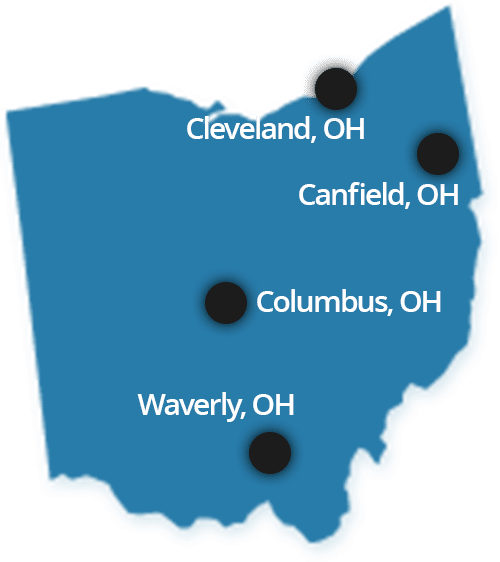
To schedule a free consultation, call (216) 861-0804 or contact us online. We have offices in Cleveland, Columbus, and Waverly to better serve you.
Related: