According to the Ohio Bureau of Workers’ Compensation, there were an estimated 98,700 workplace injuries reported in the state in 2023. This does not include the vast number of injuries that go unreported each year. Of this reported total, approximately 40% involved time away from work, which can lead to concerns about lost income and medical expenses.

If you’ve suffered an on-the-job injury, your first step after seeking emergency medical care should be to contact a lawyer. Even if the injury seems minor or the claim appears straightforward, there’s a lot that can go wrong early on. Employers and the Bureau of Workers’ Compensation aren’t looking out for your long-term needs, and small mistakes, like missing deadlines or failing to document symptoms, can cost you financial and medical benefits later.
An Ohio workers’ compensation lawyer helps you avoid those mistakes before they affect your claim. You may be entitled to wage loss payments and medical coverage, but they aren’t guaranteed. An experienced lawyer can assess your situation, explain the benefits you may be eligible for, and help you evaluate any settlement options. In this guide, we’ll explain how calling a lawyer after your injury may be the best step in your recovery.
Why You Should Always Speak to a Lawyer After a Work Injury
Hiring a workers’ comp attorney after a work-related injury can help you:
- Protect your eligibility for benefits and;
- Prevent errors that can delay or reduce your compensation.
For example, a lawyer can make sure that your First Report of Injury (FROI) is submitted within the required deadline, includes accurate medical records, and clearly explains how the injury occurred. Establishing the foundation of your claim correctly is critical: When it’s done right, your claim can provide the medical care and compensation you need for as long as necessary.
Many injured workers assume that reporting the incident and following their employer’s instructions is enough. But Ohio’s workers’ compensation system has strict procedural rules and no obligation to explain your rights or benefits in full. Without legal representation, you may miss out on wage replacement, future medical costs, or compensation for any permanent limitations that affect your ability to work.
A self-insured employer and the Bureau have legal and financial incentives to close workers’ compensation claims quickly and at the lowest possible cost. The problem is that their decisions may affect your access to medical treatment, disability payments, and the outcome of any settlement offer. A lawyer helps you understand the full value of your claim and ensures you’re not relying on information provided by those with competing interests.
Even if you’re already receiving benefits, that doesn’t guarantee your claim is being handled correctly. A lawyer can audit your file, identify any underpaid benefits, and advise you on the risks of settling too early. Once you accept a lump sum or return to work, correcting those issues may no longer be possible.
When You’re Eligible for Workers’ Compensation Benefits
Under Ohio law, you may qualify for workers’ compensation benefits if you’re injured during the course and scope of your employment. This includes single-incident injuries, repetitive use injuries, and occupational diseases caused by exposure to harmful conditions in the workplace. You’re not required to prove fault, only that the injury or condition is work-related.
Most employees in Ohio are covered by the state’s workers’ compensation system, including full-time, part-time, and seasonal workers. However, there are exceptions. Independent contractors are generally excluded unless the working relationship meets certain criteria for misclassification. If your employment status is unclear or disputed, an attorney can review the facts and determine if you’re eligible to file a claim.
To preserve your right to benefits, you must file a First Report of Injury (FROI) with the Bureau of Workers’ Compensation within one year from the date of injury or the date you were diagnosed with a work-related condition. Delays in reporting or filing may result in a denied claim. A lawyer can confirm that all forms are submitted properly and supported by medical records, witness statements, or other documentation needed to establish eligibility.
Signs You Need a Workers’ Compensation Lawyer Immediately
Although you should always consult an attorney about your workers’ comp claim, the reality is that not everyone does so, at least not at first. That said, there are situations when it is imperative that you call a workers’ comp lawyer right away.
Your Claim is Being Challenged
If your claim has been denied, delayed, or disputed in any way, working with a lawyer is critical. A lawyer can review the denial, gather supporting evidence, and file an appeal with the Ohio Industrial Commission.
Let’s look at a hypothetical example. Susan, an engineer in Cincinnati, injured her lower back lifting heavy equipment in the company warehouse. When her claim was denied due to “insufficient evidence,” she contacted a lawyer who helped her obtain additional medical records and file an appeal with the Ohio Industrial Commission.
Your Employer Questions or Pressures You
You should definitely call a lawyer if your employer questions how the injury happened or pressures you to return to work before you’re medically cleared. These tactics are often used to limit the employer’s liability or to reduce the amount of Temporary Total Disability (TTD) benefits you’re receiving. Returning to work too soon can put your health at risk and weaken your ability to claim continued wage replacement.
Example: Marcus, a warehouse worker in Akron, was told by his supervisor to return to light-duty work five days after a shoulder injury. His physician hadn’t approved the return, and the pressure to go back has Marcus worried about a longer recovery and reduced TTD payments. A lawyer helped him challenge the employer’s tactics and keep his full benefits.
You Suffered a Permanent Injury
If you’ve suffered any injury, but especially a serious or permanent injury, you need a lawyer to help assess the long-term value of your claim. This includes evaluating your future medical needs, your work restrictions, and whether you may qualify for Temporary Total or Permanent Total Disability (PTD) or a scheduled loss award. A lawyer can also calculate how those benefits compare to any lump sum settlement you may be offered.
Example: Tamika, a nurse in Dayton, fractured her ankle during a patient transfer. Surgery left her with mobility issues that prevented her from standing for long periods. Her lawyer helped determine whether she qualified for Permanent Partial Disability (PPD) and advised against settling too early, preserving her right to additional compensation.
You’re Asked to Sign Something
Any time you’re asked to sign a release, waiver, or settlement agreement, you should speak with a lawyer first. These documents may contain terms that close your claim or limit your right to future treatment. Once signed, many of these agreements are final and can’t be undone. A lawyer can explain the consequences and protect your right to ongoing benefits.
Example: David, a technician in Toledo, was offered a lump sum settlement after a hand injury but didn’t realize it would close his right to future treatment. A lawyer reviewed the offer, identified what was missing, and negotiated a better agreement that included coverage for additional surgeries.
VSSR, Intentional Tort, and Third-Party Claims
In some cases, your workplace injury may involve more than a standard workers’ compensation claim. An experienced attorney can help determine whether you also have grounds for a Violation of a Specific Safety Requirement (VSSR) claim, an intentional tort lawsuit against your employer, or a negligence claim against a third party whose actions contributed to your injury.
These additional claims are important because they can provide compensation beyond what workers’ compensation alone covers, including damages for pain and suffering, loss of enjoyment of life, and other non-economic losses.
- Violation of a Specific Safety Requirement (VSSR): Under Ohio law, employers are required to comply with specific workplace safety rules established by the Ohio Bureau of Workers’ Compensation and the Industrial Commission. If an employer fails to follow one of these rules and that violation directly causes an injury, the injured worker may be entitled to an additional award – usually between 15% and 50% of the base compensation.
- Intentional Tort Lawsuit Against an Employer: While most workplace injuries are handled exclusively through the workers’ compensation system, there are rare cases where an employer’s conduct is so reckless or knowing that it falls outside that protection. If an employer deliberately removed an equipment safety guard or required an employee to perform a task with an intentional disregard for their safety, the injured worker may be able to bring a direct lawsuit against the employer.
- Negligence Claim Against a Third Party: Sometimes, a third party, such as a subcontractor, equipment manufacturer, property owner, or driver, may share responsibility for your injury. When someone outside your employer’s organization causes or contributes to your harm, you may pursue a civil negligence claim against that party.
Lump Sum Settlements: What You Need to Know
In Ohio, injured workers who receive Temporary Total Disability (TTD) or Permanent Total Disability (PTD) benefits may be offered lump sum payments to close out those payments. These settlements are usually presented by employers or the Bureau of Workers’ Compensation as a way to resolve the claim quickly. However, accepting a lump sum in exchange for ongoing disability benefits can limit your long-term financial security and access to medical care.
Temporary Total Disability Benefits
TTD benefits are paid when you’re unable to work after an on-the-job injury but are expected to recover. Settling a TTD claim too early may result in a payment that does not reflect the total amount of time you’ll be off work or the treatment you still need. You may also lose the ability to extend or reinstate benefits if your recovery takes longer than expected.
Permanent Total Disability Benefits
PTD benefits are awarded when a work injury permanently bars you from any type of sustained employment. These payments can continue for life. Accepting a lump sum payment for PTD benefits means giving up that ongoing income stream. Before agreeing to such a settlement, it’s important to assess your medical condition, projected life expectancy, and potential future expenses related to your injury.
An Ohio workers’ compensation lawyer can compare the present value of the settlement offer to the full value of your remaining disability benefits. They can also help you evaluate any restrictions tied to the offer, including waivers of future workers’ compensation claims, medical buyouts, or tax implications. Without legal counsel, you could be agreeing to terms that benefit the insurer at your expense.
Speak to an Experienced Workers’ Compensation Attorney Today
If you’ve been hurt on the job, it’s important to speak to a lawyer before filing a claim, signing any documents, returning to work, or accepting a settlement. A lawyer can review your claim, explain what benefits may apply, and help you avoid agreements that leave out medical treatment plans or wage replacement.
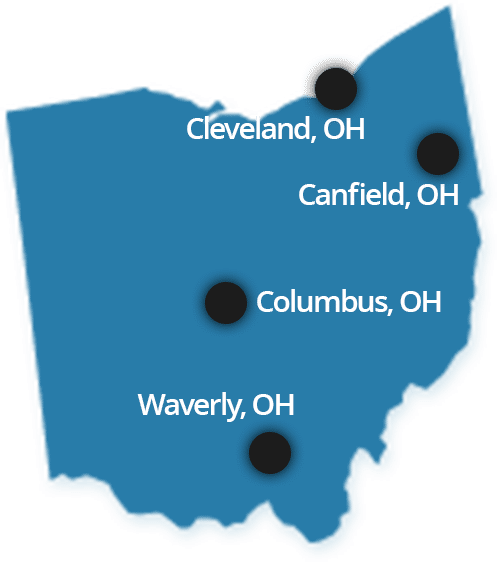
Plevin & Gallucci has represented injured workers across Ohio for more than 50 years. We know how employers, insurers, and the Bureau of Workers’ Compensation approach claims, and we use that knowledge to protect the people who’ve been hurt on the job. There’s no fee unless we recover compensation for you, and we’re always ready to explain what your claim may be worth before you make any decisions. To schedule a free consultation, call us today at 1 (855) 4-PLEVIN or send us a message online.
Related: