Key Takeaways:
- Some industries in Ohio carry far higher risks than others, with agriculture, transportation, and construction reporting the highest fatal injury rates.
- Agriculture, forestry, fishing, and hunting rank as the most dangerous, with a fatal injury rate of 12.6 per 100,000 workers.
- Transportation and construction jobs expose workers to serious hazards, including vehicle collisions, falls from height, heavy equipment, and electrical risks.
- Non-fatal injuries are far more common than fatal ones, with an overall rate of about 0.9 per 100 workers across industries.
- Common workplace injuries include falls, equipment-related accidents, repetitive strain, and vehicle-related incidents, many of which can lead to long-term limitations.
- Injured workers in Ohio may have options beyond workers’ compensation, especially when a third party or unsafe equipment contributes to the injury.
While every workplace has its risks, some industries are more dangerous than others due to the type of work involved, the equipment used, and the conditions on the job site. According to the Bureau of Labor Statistics, Ohio’s overall fatal workplace injury rate is 3.2 per 100,000 workers, but that average doesn’t reflect the full picture. In certain industries, the risk is much higher.
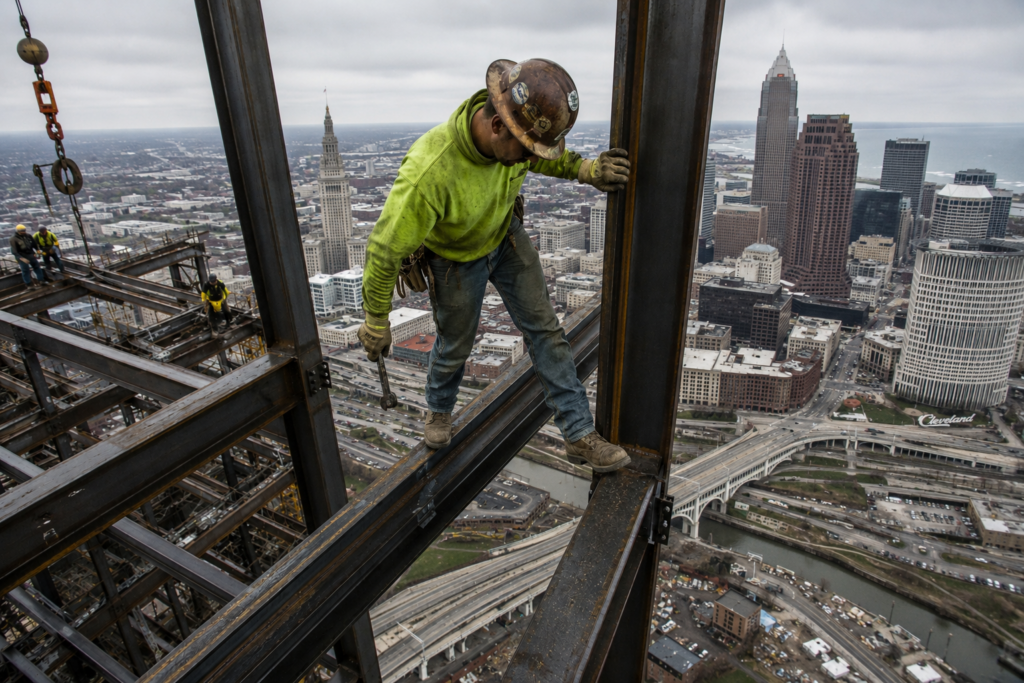
Workers in agriculture, transportation, and construction face some of the highest fatality rates in the state, driven by hazards like heavy machinery, road exposure, and elevated work areas. Even when a workplace accident isn’t fatal, catastrophic injuries can leave you unable to work, sometimes permanently.
In this guide, we review which industries in Ohio report the highest injury and fatality rates, the types of risks you’re most likely to encounter in each field, and how an experienced workers’ compensation and workplace injury attorney can help you secure benefits if you’re injured.
Workplace Injury and Fatality Rates in Ohio: What the Data Shows
To understand which industries pose the greatest risks, it helps to look at how workplace injuries are measured. This data is generally divided into two categories: fatal injuries and non-fatal injuries, with each bringing a different perspective.
- Fatal injury rates, typically reported per 100,000 workers, track the number of workers who lose their lives on the job. These figures highlight the most dangerous industries, where the risk of workplace death is higher due to factors like heavy equipment, transportation hazards, or hazardous environments.
- Non-fatal injury rates reflect incidents that result in harm but not death. They include work injuries that result in medical treatment, time away from work, or ongoing care. While these incidents don’t attract the same attention as workplace fatalities, they occur far more frequently and can still have lasting effects on your health, not to mention your ability to earn a living.
It’s also important to recognize that injury data has limits. Some industries report fewer incidents due to workforce size, reporting practices, or employment arrangement. For example, workers in certain fields may be classified differently or may not report injuries right away. But even with these limitations, it’s clear that certain industries in Ohio stand out for their elevated injury and fatality rates.
The Most Dangerous Industries for Ohio Workers, Ranked
Workplace injury data in Ohio shows clear differences between industries. Some jobs involve routine exposure to hazards that increase the risk of serious injury or death. These risks are tied to the type of work performed, the equipment used, and the environments where workers spend their time. The industries below report the highest fatal injury rates and show where workers face the greatest safety concerns.
Number 1: Agriculture, Forestry, Fishing & Hunting
Agriculture, forestry, fishing, and hunting report the highest fatal injury rate in Ohio, at 12.6 per 100,000 workers. This rate is far higher than the statewide average, which reflects the level of risk tied to these Ohio job sites.
- Agriculture: In agriculture, workers operate large machinery, including tractors, combines, and augers. These machines can cause severe and even fatal work injuries when guards are missing, equipment malfunctions, or workers are pulled into moving parts. Many tasks also involve lifting, repetitive motion, and extended hours in outdoor conditions. Work frequently takes place in rural areas, where emergency response times may be longer if an accident occurs.
- Forestry: Forestry and logging work involves cutting and transporting trees using chainsaws and heavy equipment. Workers face the constant risk of being struck by falling trees or branches. In addition, uneven ground, limited visibility, and changing weather conditions increase the likelihood of falls and equipment-related incidents.
- Fishing: Fishing operations involve work on or near water, where workers face risks such as drowning, slips on wet surfaces, and injuries caused by moving equipment. These conditions require constant awareness and coordination, especially in environments where surfaces are unstable.
- Hunting: Hunting-related work may include wildlife management and field operations in remote areas. These settings can limit access to immediate medical care, which increases the severity of work injuries when they occur.
Common injuries across agriculture, forestry, fishing, and hunting include equipment-related accidents, falls, and transportation incidents. These work injuries can result in permanent disability or death, particularly when safety procedures are not followed or equipment is not properly maintained.
Number 2: Transportation & Utilities
Transportation and utilities report a fatal injury rate of 8.5 per 100,000 workers in Ohio. This category includes occupations such as commercial trucking, delivery services, public transit, and utility work involving electrical systems, gas lines, and infrastructure maintenance. For example:
- Commercial drivers spend extended hours on the road, which raises the likelihood of collisions due to fatigue, reduced reaction time, and changing road conditions. These injury risks are compounded by factors outside a driver’s control, including reckless driving by others, poor weather, and roadway hazards.
- Handling heavy materials can lead to musculoskeletal injuries, while improperly secured loads can shift during transport and cause accidents. In warehouse and distribution settings, workers may be struck by moving vehicles, such as forklifts, or pinned between equipment.
- Electrical line workers perform tasks at significant heights while working with live power lines. This creates a high risk of electrocution, burns, and falls from poles or elevated platforms.
- Gas and pipeline workers face dangers related to leaks, explosions, and confined workspaces. These jobs require close coordination and strict adherence to worker safety, as a single error can result in severe injury.
Common injuries across transportation and utilities include motor vehicle collisions, falls from height, electrocution, crush injuries, and equipment-related incidents. Many of these injuries result in long-term disability or permanent impairment due to the severity of the accidents involved.
Number 3: Construction
Construction reports a fatal injury rate of 7.5 per 100,000 workers in Ohio. It’s easy to see why: Construction crews operate in environments where hazards are present throughout the job site, including elevated work areas, heavy machinery, and active building zones.
Falls remain the leading cause of fatal injuries in construction. Workers regularly perform tasks on scaffolding, ladders, roofs, and related structures. A fall from height can occur due to unstable surfaces, improper use of safety equipment, or a lack of fall protection systems. Even at lower heights, falls (or being struck by falling objects) can result in serious injury.
Construction sites also involve constant interaction with heavy equipment such as cranes, bulldozers, forklifts, and power tools. These machines create risks of crush injuries, amputations, and struck-by incidents. Workers may be hit by dangerous equipment or struck by an object like a brick or an unsecured tool. In busy job sites, multiple crews often work in close proximity, which increases the chance of coordination failures and accidents.
Other risks include:
- Electrical Hazards: Workers may come into contact with exposed wiring, temporary power sources, or overhead power lines. These conditions can lead to electrocution or severe burns if proper safety measures aren’t in place.
- Trench Collapses: Trenches can collapse without warning, trapping workers under heavy soil. These incidents can cause serious injury or death, especially when proper support systems are not in place.
Common injuries in construction include falls from height, struck-by incidents, electrocution, crush injuries, and equipment-related accidents. Many of these injuries result in permanent disability due to the force and conditions involved.
Number 4: Manufacturing
Manufacturing reports a fatal injury rate of 2.5 per 100,000 workers in Ohio. While this rate is lower than in industries like construction and transportation, the risk of serious injury or occupational fatality remains high due to the nature of industrial work and the equipment involved.
Manufacturing environments typically require you to work on an assembly line with machinery that performs cutting, stamping, molding, or assembly functions. These machines operate with significant force and speed, which creates a risk of severe injury if safeguards fail or proper procedures are not followed. Workers may be caught in moving parts like conveyor belts, struck by materials, or injured during machine maintenance.
Lockout and tagout procedures are critical in this industry. When machines are not properly shut down during maintenance or repair, they can restart unexpectedly. This can result in crush injuries, amputations, or other serious harm. Failures in safety protocols or training can increase the likelihood of these incidents.
Other risks include:
- Repetitive Motion: Many manufacturing jobs involve performing the same task for extended periods, which can lead to strain injuries affecting the hands, wrists, shoulders, and back. Over time, these injuries can limit your ability to perform regular job duties.
- Exposure: Workers may also be exposed to hazardous materials, including chemicals, fumes, and dust. Without proper ventilation or protective equipment, this exposure can lead to respiratory issues, burns, or long-term health conditions.
Number 5: Wholesale & Retail Trade
Wholesale and retail trade reports a fatal injury rate of 3.0 per 100,000 workers in Ohio. While this industry may not appear as dangerous as construction or transportation, the data shows that workers like retail clerks still face real risks tied to daily job duties.
Many roles in this industry involve handling inventory, stocking shelves, and moving goods within warehouses or retail spaces. Workers frequently lift, carry, and transport heavy items, which can lead to back injuries, muscle strains, and joint damage. Repetitive lifting without proper technique or support increases the likelihood of long-term physical injury.
Other risks include:
- Slips and Trips: Slip and fall hazards are common in both retail stores and warehouse environments. Spilled liquids, uneven flooring, cluttered aisles, and poor lighting can create unsafe conditions. Falls can result in fractures, head injuries, and other serious injuries, especially when they occur in high-traffic areas.
- Crush and Struck-By Injuries: Workers in warehouses and distribution centers may also be exposed to moving equipment, such as forklifts and pallet jacks. These machines can cause crush injuries or struck-by incidents when safety measures are not followed or visibility is limited.
Number 6: Leisure & Hospitality
Leisure and hospitality report a fatal injury rate of 2.4 per 100,000 workers in Ohio. This industry includes jobs in restaurants, hotels, entertainment venues, and food service operations. While the fatality rate is lower than in other industries, the risk of non-fatal injury remains high due to the pace and conditions of the work.
Food service roles require you to work in fast-paced environments where timing and coordination are critical. Kitchens involve exposure to hot surfaces, open flames, and sharp tools. Burns, cuts, and lacerations are common, especially when safety procedures are not followed or when staff are required to move quickly in confined spaces. Other hazards include:
- Slipping and Falling: Wet floors, spilled liquids, and crowded work areas increase the likelihood of falls. These incidents can result in fractures, sprains, or head injuries, particularly in areas where workers carry heavy items or navigate tight spaces.
- Repetitive Strain: Hotel and hospitality workers often perform physically demanding tasks such as lifting linens, cleaning rooms, and moving furniture. These activities can lead to repetitive strain injuries affecting the back, shoulders, and joints. Over time, these injuries can limit your ability to perform regular duties.
- Hostile Public: Workers in this industry interact directly with the public, which can lead to incidents involving aggressive behavior or workplace violence. Security staff and front-facing employees may be placed in situations where conflicts escalate and result in work-related injury.
What Injured Workers in Ohio Should Know
If you’ve been injured at work in Ohio, your first priority is getting medical care. Prompt treatment helps document the injury and can support your workers’ compensation claim. Reporting the injury to your employer as soon as possible is also important, as delays can affect your ability to receive benefits.
Ohio’s workers’ compensation system provides benefits for employees who are injured on the job. These benefits may include payment for medical bills, a portion of lost wages, and compensation for lasting impairments. In most cases, workers’ compensation applies regardless of who caused the accident.
However, not every situation is limited to a workers’ compensation case. Some workplace injuries may create separate legal claims. For example, a motor vehicle accident caused by another driver, a defective piece of equipment, or unsafe conditions created by a third party may allow for a claim outside of the workers’ compensation system. In some cases, if an employer’s conduct was especially egregious or intentional, an injured worker may also have grounds to pursue a direct lawsuit against the employer, known as an employer intentional tort claim.
Get a Free Consultation From an Ohio Workers’ Compensation Attorney
Workplace injury data in Ohio shows clear differences between industries. Agriculture, transportation, and construction report the highest fatality rates, while other industries continue to see steady levels of non-fatal injuries. If you work in one of these industries, recognizing the risks tied to your job can help you take safety concerns seriously and respond quickly when something goes wrong. At Plevin & Gallucci Company, L.P.A., we represent injured workers across Ohio and handle cases involving workplace accidents, denied claims, and third-party liability. If you’ve been hurt on the job, you can contact us to discuss your situation and learn what options may be available. For more information or to schedule a free consultation, please call 1-855-4-PLEVIN or use our contact form.