Although workplace head injuries are commonly associated with higher-risk professions like construction, transportation, and law enforcement, they can happen anywhere. You could be walking through the company cafeteria, tray in hand and ready to enjoy lunch after a long morning, when you slip on spilled water and hit your head against the edge of a table, leaving you with a painful concussion.

According to one study, around one in every four traumatic brain injuries happens in the workplace. While most of them are mild, they can still have consequences. Fortunately, workers’ compensation in Ohio covers medical costs and lost wages when you get hurt on the job, sometimes in the form of a settlement. In this guide, we’ll review the most common types of work-related head injuries, how Ohio’s workers’ compensation system evaluates these claims, and what factors may affect your settlement amount.
Common Work-Related Head Injuries
On-the-job head injuries range from mild concussions that resolve within days to severe brain trauma that impacts the rest of your life. They include:
- Concussions: A concussion is a mild traumatic brain injury caused by a blow to the head or violent shaking motion. Post-concussion syndrome symptoms include headaches that won’t respond to over-the-counter medication, dizziness, confusion, trouble focusing, and sensitivity to bright lights or loud noises.
- Moderate to Severe TBIs: Moderate and severe traumatic brain injuries can be more dangerous due to bleeding, bruising, or swelling in the brain. Long-term effects include memory problems, difficulty finding words or forming sentences, personality changes, and impulse control issues. The most severe TBIs can result in lifelong disabilities that require full-time skilled nursing care.
- Other Head Injuries: Other workplace head injuries include skull fractures and penetrating injuries, which happen when an object pierces the skull and enters the brain tissue. Both can come with associated conditions like chronic pain, limited mobility, and vision problems.
Because average settlements for workplace head injuries can range from thousands of dollars to over a million, it isn’t unusual for claims to be disputed. An Ohio workers’ compensation attorney can use evidence like your medical records and the accident report to make your benefits application as strong as possible.
Overview of Ohio’s Workers’ Compensation System
Ohio’s workers’ compensation system operates on a no-fault basis. This means that if you suffer a head or brain injury at work, you can receive benefits without having to prove wrongdoing on the part of your employer. They include:
- Medical coverage for doctor visits, diagnostic testing like CT scans, emergency room treatment, neurosurgical intervention, prescription medications, physical therapy, occupational therapy, speech therapy, neuropsychological testing, and any other treatment your doctors prescribe for your injury.
- Wage replacement benefits (Temporary Total Disability) that pay a percentage of your salary while you can’t work or while you’re working reduced hours due to medical restrictions.
- Disability compensation if a traumatic brain injury causes permanent impairment, such as lasting memory problems, chronic headaches, or cognitive limitations.
Most Ohio employers pay into the state-run system managed by the Ohio Bureau of Workers’ Compensation, which processes claims and pays benefits. Some large employers are self-insured, meaning they handle claims directly through their own insurance programs or third-party administrators. The claims process works similarly in both systems, so regardless of who’s covering you, you’ll generally follow the same steps to report the accident and file for benefits.
What Happens After You File a Workers’ Compensation Claim for a Head Injury?
After you report a head injury to your supervisor, someone must file a First Report of Injury (FROI-1) form with the BWC or your self-insured employer’s administrator. This may be done by your employer or a managed care organization (MCO) after you seek medical treatment, but we recommend that your attorney file it on your behalf at the onset.
Once it receives the FROI-1, the BWC assigns a claim number. Claims examiners then review the incident report, medical reports, and any statements from you, your employer, or witnesses. The MCO assigned to your employer’s account manages the medical side of the claim, such as approving treatment requests, coordinating care, and paying medical bills according to the BWC fee schedule.
Within 28 days of receiving the FROI-1, the BWC will decide whether to allow or deny your claim. Many head injury claims are denied initially, particularly when symptoms are subtle, your medical records don’t clearly link the symptoms to the workplace incident, or there’s a gap between the accident and when you sought treatment. Claims examiners may also deny claims when they believe a pre-existing condition caused your symptoms instead of the work injury.
If your claim is denied, you have 14 days from the date you receive the denial order to file an appeal with the Industrial Commission of Ohio. This is when having legal counsel is especially important, as these proceedings are more advanced and can be difficult for injured workers to manage on their own.
What a Workers’ Comp “Settlement” Means in Head Injury Cases
When you file an Ohio workers’ compensation claim, it can remain open indefinitely while you continue receiving medical treatment and, if applicable, wage replacement benefits. The BWC or your self-insured employer pays these benefits as long as you need them, unless you opt for a brain injury settlement that closes all or part of your claim in exchange for a lump sum payment or a series of payments over time.
- Permanent Partial Disability (PPD) awards may be paid as lump sums, calculated as two weeks of compensation per impairment percentage point at 66 2/3% of the average weekly wage. Broader lump sum settlements resolve some or all claim parts, including ongoing medical expenses or wage loss, via an agreement approved by the Ohio BWC or Industrial Commission.
- Permanent Total Disability (PTD) benefits usually provide you with biweekly payments for life, but lump sum advancements (LSA) or full settlements may close the claim. PTD settlements, which also require approval, take lifetime needs into account.
Workers’ compensation settlements can be full or partial. A full settlement closes your entire claim, while a partial settlement might close only your right to future medical treatment while keeping your claim open for wage loss benefits, or vice versa. Some brain injury settlements resolve only a dispute about a particular condition or benefit while leaving the rest of the claim active.
Key Factors That Can Influence a Head Injury Settlement
There’s no universal formula for head injury settlement amounts in Ohio. The amount you receive will depend largely on the nature and extent of the injury, anticipated medical expenses, and whether you’re expected to resume gainful employment.
Type of Head Injury
The type of head or brain injury you sustained directly affects settlement value. For example, a concussion that resolves in six weeks will normally settle for less than a moderate TBI that leaves you with permanent memory deficits. A skull fracture that heals without complications is worth less than a skull fracture that needs surgery and causes lasting brain damage.
The duration and persistence of your symptoms also affect settlement amounts. Headaches and cognitive difficulties that last three months and then resolve are weighed differently than those that persist despite treatment. Sleep problems, mood changes, dizziness, and sensory issues also contribute to settlement value when they’re disruptive and persist.
Long-Term Impact on Ability to Work
The BWC and self-insured employers calculate wage loss benefits based on how much work you’ve missed and how much earning capacity you may have lost. If you can go back to the same job with no restrictions and no reduction in hours or pay, your settlement for wage loss will be comparatively minimal. But when medical restrictions force you into lower-paying work or your cognitive limitations make you unemployable in your field, settlement value should increase to compensate for lost earning capacity.
Medical Treatment and Future Care Needs
The medical care you’ve already received and the treatment you’ll need in the future both factor into settlement calculations. When doctors document that you’ll need neurological care for the rest of your life, actuaries calculate the present value of those future expenses, and that amount should be reflected in your settlement. Any settlements that close your right to future medical treatment should compensate you for the full cost of care you’ll need for the rest of your life, not just what you’ve received so far.
Functional and Quality-of-Life Limitations
Head injuries don’t only affect your ability to work: they change how you live your daily life. For example, you might no longer be able to drive safely because of dizziness, slow reaction times, or attention problems. You might also snap at family members over minor issues and lose interest in hobbies and activities you enjoyed before the injury. The more your traumatic brain injury has diminished your ability to live independently and enjoy life, the higher your settlement should be to compensate for these permanent losses.
How a Workers’ Comp Attorney Can Help
You should always consult a workers’ compensation lawyer when you’re thinking about filing a claim or settling one. Once you hire legal representation, they can protect your rights by taking steps like the following:
- Documenting Your Injury: Head injuries have symptoms that don’t always show up right away. A lawyer ensures medical evaluations capture cognitive problems, memory loss, persistent headaches, and other symptoms that may emerge later. They’ll prevent you from settling too soon, before you know how serious your condition really is.
- Determining What Your Claim Is Worth: Ohio workers’ comp settlements for head injuries can include payment for permanent partial disability, medical bills, and lost wages. A lawyer can calculate your claim’s value by looking at your ability to work again, future treatment requirements, and how the injury affects your daily activities and income potential.
- Dealing with the Bureau of Workers’ Compensation (BWC) or Self-Insured Employers: Attorneys who handle Ohio workers’ comp cases know how to present medical evidence and can negotiate with claims administrators who might lowball head injury claims.
- Protecting Your Future: Head injuries can create lasting problems. Your lawyer can help you decide if taking a lump-sum settlement makes sense versus keeping your claim open for continued medical and neurological care, since head injuries may need future treatment or get worse as time goes on.
- Managing Appeals When Needed: If your claim gets denied or undervalued, a lawyer can represent you through Ohio’s workers’ compensation appeals system, including hearings before the Industrial Commission.
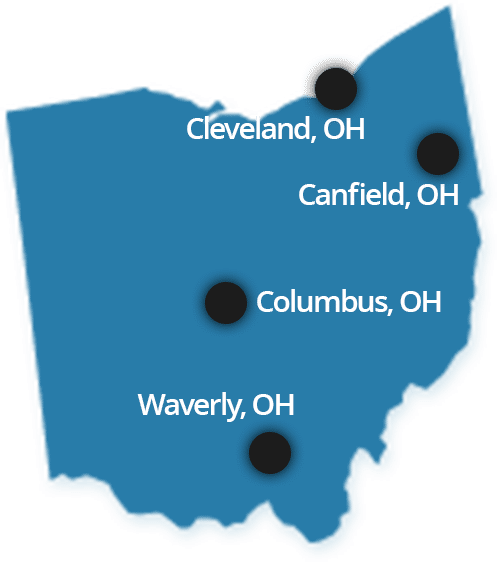
At Plevin & Gallucci, our workers’ comp lawyers handle claims throughout the state, including complex head injury and traumatic brain injury cases. We work with neurologists, neuropsychologists, vocational rehabilitation experts, and other specialists to build medical evidence that proves the severity of your head injuries and their limitations on your future. Our goal is always to ensure that you receive all the benefits and compensation to which you are entitled for your current and ongoing medical and financial needs.
Questions About Workers’ Compensation Settlements for Head Injuries?
If you suffered a head or brain injury at work, speak to an attorney as soon as you can. Plevin & Gallucci’s attorneys know how to document these invisible injuries, challenge defense medical exams that minimize brain trauma, and fight for settlements that account for any permanent cognitive deficits and lost earning capacity. Consultations are free, and we work on contingency, so you don’t pay attorney fees unless you receive benefits. For more information, please call (216) 861-0804.